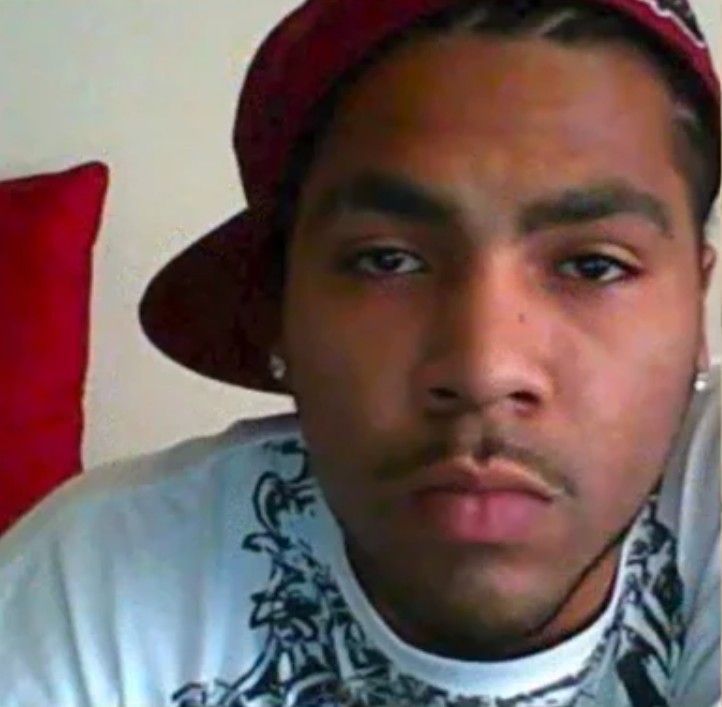
Tbvnks Leak Video and Camryn LaVine Controversy
 MoviesHub
In the hyper-connected digital age, the line between public persona and private reality continues to blur at an alarming rate. Recently, the online entertainment and sports communities were jolted by a major privacy breach involving prominent internet personality Tbvnks and Camryn LaVine, an entrepreneur and the sister of NBA star Zach LaVine. The incident has reignited vital conversations regarding cybersecurity, the dark side of internet fame, and the severe, real-world consequences of unauthorized data exposure.
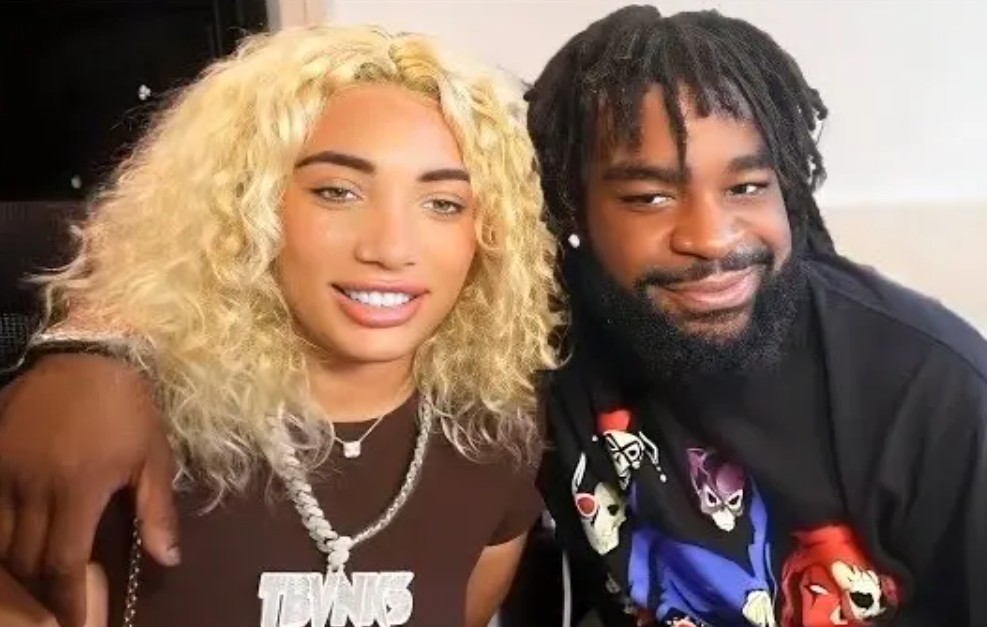
Tbvnks Leak Video and Camryn LaVine
The controversy erupted when reports circulated across major social media platforms—initially amplified by prominent digital culture commentators such as FearBuck on Twitter—detailing an alleged cyberattack. According to these reports, private files belonging to Camryn LaVine were compromised in a malicious hack. The breached data included intimate photographs and personal videos featuring both LaVine and her former partner, Tbvnks.
Tbvnks Leak Full Video
tbvnks-and-camryn-lavine-video-1
tbvnks-and-camryn-lavine-video-2
tbvnks-and-camryn-lavine-video-3
tbvnks-and-camryn-lavine-video-4
Within hours, the digital footprint of the breach expanded exponentially. Files were shared across multiple forums and alternative social networks, exposing the couple’s most private moments to millions of users worldwide. For Tbvnks, a content creator already accustomed to navigating the tumultuous waters of online drama, this event represents an unprecedented escalation in public scrutiny.
Unlike standard internet controversies born from heated debates or controversial statements on stream, this incident deals with a fundamental violation of personal autonomy and digital privacy. The suddenness of the leak caught both communities off guard, transforming private digital storage into public spectacle almost overnight.
A Complicated Past: Revisiting Their Relationship History
To fully understand the intense public fascination surrounding this leak, observers have been forced to look back at the history between Tbvnks and Camryn LaVine. The pair previously shared a high-profile romantic relationship that was frequently on display for their respective followers. However, their romance was far from smooth, marked by public fallout and dramatic accusations.

The Cheating Allegations: Following their initial split, public friction emerged when allegations of infidelity were directed toward LaVine by the streamer.
The NDA Dispute: LaVine quickly fired back, publicly addressing the breakup and claiming that Tbvnks had requested her to sign a Non-Disclosure Agreement (NDA), which she adamantly refused to do.
While this historical context has fueled online speculation, digital safety experts emphasize that past interpersonal drama has no bearing on the illegality of a hack. Regardless of any prior disagreements or public spats, the unauthorized acquisition and distribution of intimate media constitutes a serious invasion of privacy and, in many jurisdictions, a criminal offense.
Social Media’s Dual Response: Spectacle vs. Seriousness
As is often the case with high-profile internet scandals, the public reaction was swift, polarized, and chaotic. Within minutes of the news breaking, the topic trended across multiple platforms, generating millions of impressions.
The Humor and the Hype
On one side of the digital spectrum, meme culture took over. A significant portion of social media users treated the breach as entertainment, creating jokes, dissecting the clips, and treating the sensitive material as another episode of reality television. This reaction highlights a pervasive empathy gap on the internet, where real people facing devastating violations are frequently reduced to mere punchlines for viral engagement.
Calls for Accountability and Legal Action
Conversely, a more grounded segment of the online community pushed back against the mockery, warning of severe legal repercussions. Cybersecurity analysts and legal commentators pointed out that distributing leaked intimate media is not only unethical but legally perilous. Many users called out platforms for failing to curb the spread of the hacked content faster, urging users to respect the victims’ privacy rather than actively participating in the distribution of stolen material.
The Intersection of Celebrity Status and Cyber Safety
This unfortunate saga underscores a terrifying reality for public figures, influencers, and athletes alike: digital infrastructure is perpetually vulnerable. Whether through phishing scams, compromised cloud storage, or targeted social engineering attacks, bad actors frequently target individuals with public profiles for extortion, clout, or pure malice.
For Camryn LaVine, being associated with a high-profile professional athlete like Zach LaVine already places her under a magnifying glass. Compounded by her association with a major streamer, her life is subject to intense public interest. However, celebrity status does not forfeit the right to a private life.
Similarly, Tbvnks finds his professional brand inextricably linked to a crisis he claims to have had no hand in orchestrating. In the streaming industry, where audience trust and brand partnerships dictate a creator’s livelihood, managing a crisis of this magnitude requires immense damage control and legal maneuvering.
At the time of writing, neither Tbvnks nor Camryn LaVine has issued a comprehensive public statement regarding the leaks. Silence in the face of such overwhelming digital exposure is often a strategic legal choice, allowing representatives, attorneys, and cybersecurity specialists time to assess the damage and trace the origin of the breach.
Moving forward, several critical questions remain unanswered:
Who was the culprit? Will digital forensics be able to pinpoint the individual or group responsible for the initial hack and subsequent internet spread?
Will legal action be pursued? Given the severity of the privacy violation, formal lawsuits or criminal investigations could be underway behind the scenes.
How will public perception shift? As both individuals eventually break their silence, their response will likely dictate whether the public views them as fellow victims of a malicious cyberattack or if lingering skepticism remains.
The situation involving Tbvnks and Camryn LaVine serves as a cautionary tale for the digital age. It highlights how quickly private security can fail and how mercilessly the internet can consume personal tragedy for entertainment. As the digital landscape continues to evolve, the need for robust personal cybersecurity measures—and a fundamental cultural shift in how society treats victims of data breaches—has never been more urgent.
Until either party chooses to speak out, observers can only watch from the sidelines, hoping that justice is served, the perpetrators are identified, and a standard of digital decency is finally restored to online discourse.
\ Get the latest news /