- Tyra Banks sued Netflix over alleged misrepresentation in 'Next Top Model' docuseries.
- Netflix argues Banks' issues don't rise to defamation, citing her own control over ANTM.
- Banks wants Netflix to release her full, unedited interview to show accurate representation.
Tyra Banks‘ defamation lawsuit against Netflix is now facing a serious challenge. The streaming giant filed a motion Friday to have the case dismissed entirely, arguing that Banks’ issues with the America’s Next Top Model docuseries don’t actually rise to the level of defamation.
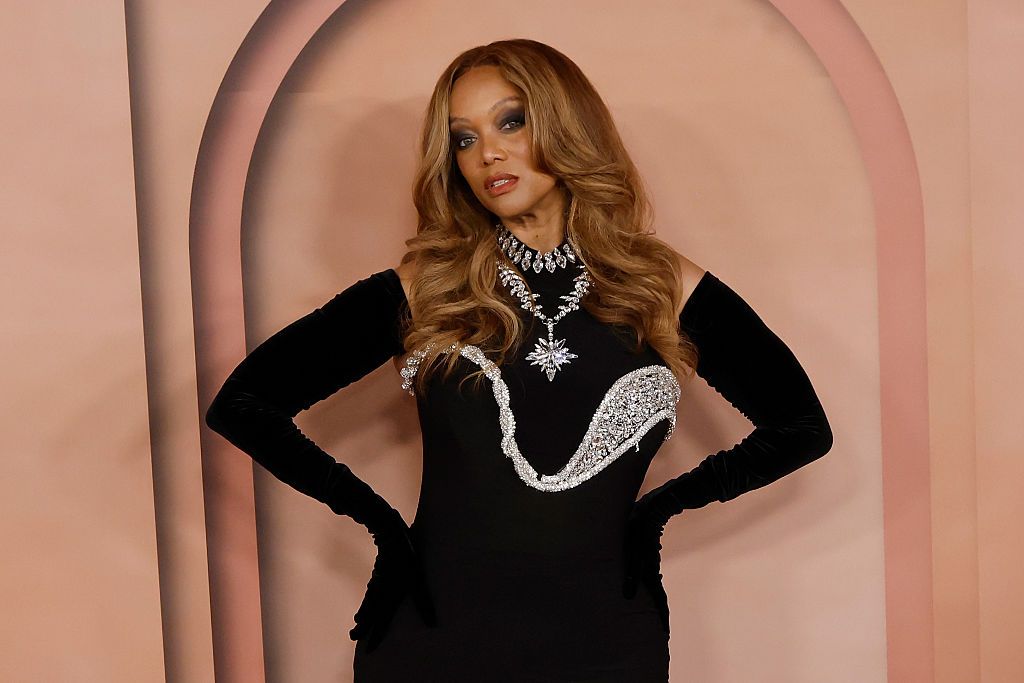
As BOSSIP previously reported, Banks sued Netflix along with “Reality Check: Inside America’s Next Top Model” directors Mor Loushy and Daniel Sivan back in June, alleging she was falsely portrayed as insensitive toward former contestant Shandi Sullivan, who has said she was sexually assaulted during the show’s second season. Banks claims she sat for a three-hour interview for the docuseries, but producers used only about 16 minutes of her actual responses.
According to The Wrap, Netflix’s legal team argued in their motion that Banks is essentially taking issue with the same kind of editorial discretion she took charge of for decades as the creator and executive producer of ANTM.
Much of Banks’ defamation lawsuit centers on a specific moment in the docuseries where Banks is asked if she remembers Shandi Sullivan; she pauses, looks toward the ceiling, and says “um” before the episode cuts to credits. According to The Wrap, Banks has argued this edit made it look like she’d forgotten about a contestant’s traumatic experience, when in reality her full response included the words “I do remember her story.”
Netflix’s lawyers countered that this fuller answer was actually included at the start of the following episode, arguing that “a documentary expressly showing Banks remembering does not imply that she forgot.”
According to Variety, Netflix’s filing also pointed to a waiver Banks signed that relinquished creative control over the project. Still, Banks’ attorneys, Tom Clare and Clare Locke, aren’t buying the argument that this is simply a matter of standard editing. They pushed back directly, stating that the case “raises a simple question: can viewers trust that a documentary presented as fact fairly represents what happened and what people actually said?”
Clare emphasized that the lawsuit isn’t about Banks wanting creative control or being generally unhappy with how she was portrayed.
“It is about whether viewers were given an accurate representation of her words and the facts,” he said, going a step further by calling on Netflix to release Banks’ full, unedited interview so the public can judge the footage for themselves.
As mentioned, Banks’ original complaint also addressed the docuseries’ handling of a separate controversy involving Miss J Alexander, who claimed publicly that Banks failed to visit him in the hospital after his 2022 stroke. Banks’ team argued that context was left out entirely, including that she was living abroad in Australia at the time and had reportedly stayed in consistent contact with him in the years since.
Netflix has stood firmly behind the series and its directors, calling them “respected documentarians” who fairly presented every participant’s perspective. With both sides digging in, it’s now up to the court to decide whether Tyra Banks’ defamation lawsuit moves forward or gets thrown out before ever reaching a jury.