
- Appeals court overturned homicide convictions of two paramedics involved in McClain's death.
- Prosecutors vow to continue fighting the ruling, seeking review from the Colorado Supreme Court.
- Case highlights legal and political fallout over police use of force and controversial use of ketamine.
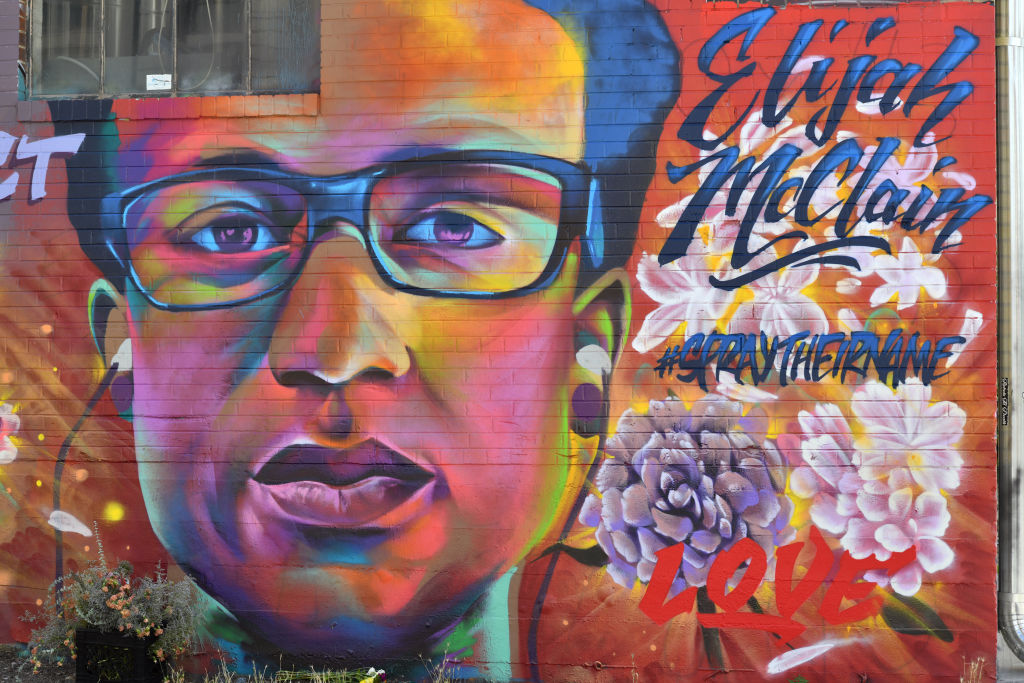
”Justice” isn’t a permanent when it comes to dead Black folks.
According to reporting by ABCNews, A Colorado appeals court has overturned the homicide convictions of two former Aurora paramedics who were found guilty in connection with the 2019 death of Elijah McClain, reigniting debate over accountability in one of the most closely watched police custody cases of the past decade.
BOSSIP reported extensively on McClain, a 23-year-old Black massage therapist, who died after being stopped by police while walking home in Aurora, Colorado. Officers restrained him and placed him in a neck hold before paramedics Peter Cichuniec and Jeremy Cooper arrived and injected him with ketamine, a powerful sedative. McClain subsequently suffered cardiac arrest and died several days later. His death became a national symbol of racial justice activism following the 2020 murder of George Floyd.
In December 2023, a jury convicted both paramedics of criminally negligent homicide. Cichuniec was also convicted of second-degree assault for unlawfully administering the drug. The convictions were notable because criminal prosecutions of paramedics and emergency medical personnel involved in in-custody deaths are extremely rare. However, the Colorado Court of Appeals ruled that errors in the jury instructions undermined the homicide convictions. The court ordered the case returned to the district court for possible retrials. While the judges reversed the criminally negligent homicide convictions against both men, they allowed Cichuniec’s separate assault conviction to stand. It should come as no surprise that the decision prompted outrage from McClain’s family. His mother, Sheneen McClain, blasted the ruling on social media.
“I am not surprised by the denial of true justice for American citizens in the hands of government branches who allow criminal behaviors in their police agencies,” she wrote. “They are corrupt and cowardly.”
Colorado Attorney General Phil Weiser’s office has vowed to continue fighting the ruling and plans to seek review from the Colorado Supreme Court, a move that could delay any retrial proceedings. Supporters of McClain argue the reversal represents another setback in the long pursuit of justice, while defense attorneys have maintained that the original convictions were legally flawed.
Said the ruling judge in the case:
“By telling the jurors to apply the ‘common and ordinary meanings’ of the words in the instruction, the court failed to shine any light on the issue and in fact misled the jurors as to the applicable standard of care: The proper standard wasn’t that of a generic reasonable person but of a person in Cooper’s profession under the existing circumstances,” the ruling reads.
The case remains one of the most significant examples of the legal and political fallout stemming from the national debate over police use of force and the highly controversial use of ketamine on those in police custody.


