
- SCOTUS upholds state laws banning trans girls from women's sports, citing fairness and safety concerns
- Ruling divides opinions, with supporters celebrating it as a win for women's athletics and critics condemning it as discriminatory
- Decision seen as another blow to legal protections for transgender Americans, with lasting consequences for trans youth
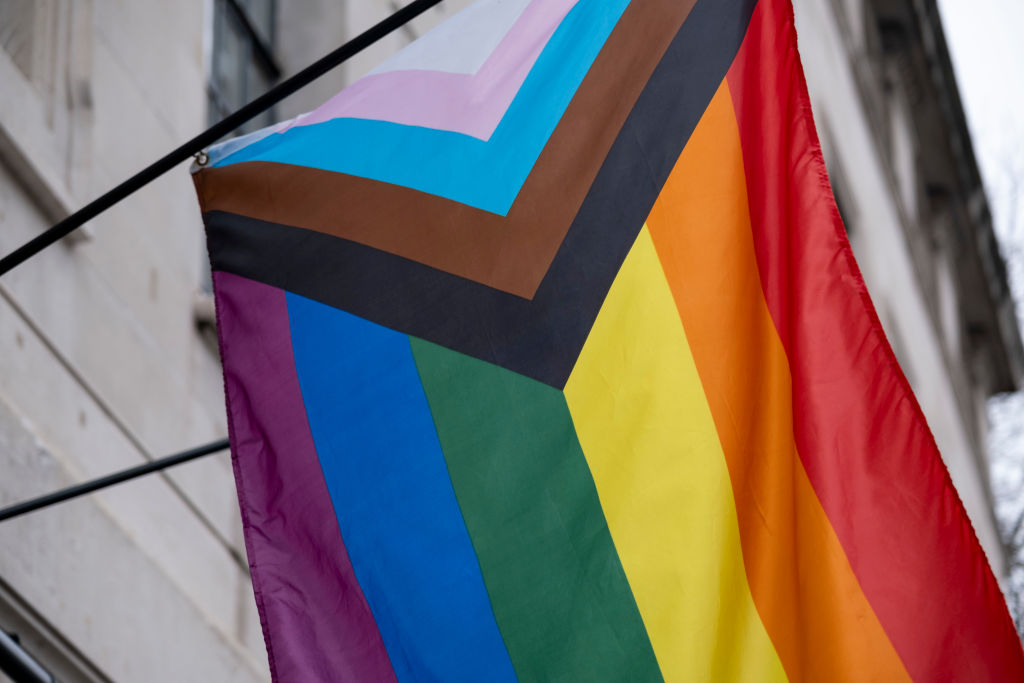
The day that many have dreaded finally came, and for Americans in the LGBTQAI+ community, the reaction to the news ranges from heartbreaking defeat to righteous indignation.
The U.S. Supreme Court handed Republican-led states a major legal victory by ruling that they can lawfully prohibit transgender girls and women from competing on female school sports teams. It’s an unfortunately not-shocking landmark decision that is expected to affect laws already in place across more than two dozen states. According to USA Today, the Court concluded that state laws in Idaho and West Virginia restricting participation based on biological sex do not violate either the Equal Protection Clause of the Fourteenth Amendment or Title IX, the federal law prohibiting sex discrimination in education. If you’ve been paying attention to the biggest Supreme Court rulings over the past few years, it should come as no surprise that the ruling came down to a far-too-typical 6-3 vote right down political ideological lines. THIS is why people were pushing Joe Biden to pack the court during his administration so that there could be true balance in the highest court in the land and prevent the conservative lens from recreating the rule of law in its oft-twisted image.
NewsOne reports that the ruling stemmed from challenges brought by two transgender students: Becky Pepper-Jackson, a West Virginia high school student who has publicly identified as a girl since childhood, and Lindsay Hecox, a former Boise State University athlete in Idaho. Lower courts had previously ruled in their favor, but the Supreme Court reversed those decisions, allowing both states’ laws to remain in effect. The decision also strengthens similar restrictions already enacted in more than 25 other states, though it does not require states without such laws to adopt them.
Justice Brett Kavanaugh, writing for the Court’s majority, said states have the authority to separate athletic competition based on biological sex in the interest of maintaining fairness and safety in women’s sports. While acknowledging that transgender athletes deserve dignity and respect, the opinion found that neither the Constitution nor Title IX requires schools to determine athletic eligibility according to gender identity.
The ruling drew sharply different reactions across the political spectrum. Supporters, including Donald Trump and conservative organizations, celebrated the decision as a victory for women’s athletics and state authority.
“BIG WIN: The United States Supreme Court just RULED AGAINST MEN PLAYING IN WOMEN’S SPORTS,” Trump wrote on Truth Social. “Wow! That takes that ridiculous situation off the table!!!”
Civil rights groups and LGBTQ advocates, however, condemned the ruling as discriminatory and argued it further erodes legal protections for transgender Americans. Attorneys representing the student-athletes called the outcome heartbreaking and warned it could have lasting consequences for transgender youth seeking equal participation in school activities.
NewsOne, citing AP, added that the SCOTUS also rejected an executive order issued by President Donald Trump that said children born to illegal immigrants or temporary visitors aren’t considered American citizens. In a 6-3 ruling, the court upheld the long-standing interpretation of the 14th Amendment, which guarantees birthright citizenship to those born on American soil.
“Citizenship, then and now, was the right to have rights—to freely participate in our political community. The Framers of the Fourteenth Amendment extended that promise to ‘every free-born person in this land,’” Chief Justice John Roberts wrote in the ruling. “We keep that promise today.”


