- Ballistics evidence inconclusive, with ATF unable to definitively match bullet fragment to Robinson's alleged weapon.
- Defense argues this compromises prosecution's case, which relies heavily on circumstantial and contested forensics.
- Uncertainty over ballistics evidence leads to delay in preliminary hearing as defense reviews evidence and seeks full ATF report.
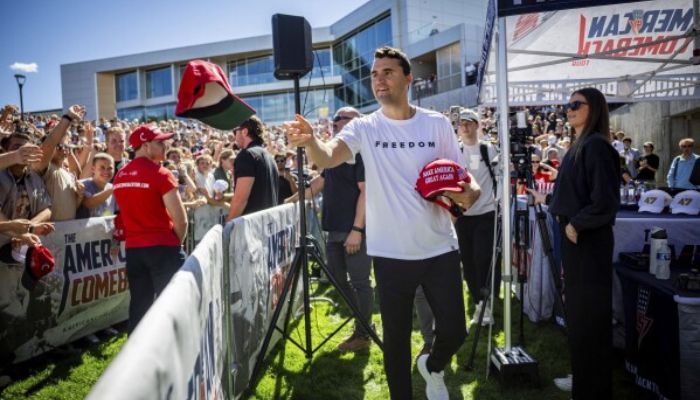
Big development in the case of deceased podcaster!
The fatal 2025 shooting of Charlie Kirk at Utah Valley University quickly became a high-profile murder case against Tyler Robinson, but recent reporting from The Independent and NBC News underscores a critical weakness in the prosecution’s forensic evidence: the federal government has been unable to definitively link the bullet fragment recovered from Kirk’s body to the rifle allegedly used by Robinson.
At the center of this issue is the work of the Bureau of Alcohol, Tobacco, Firearms and Explosives (ATF), which conducted ballistics testing on the fragment recovered during Kirk’s autopsy. According to court filings cited by both outlets, the ATF concluded that the fragment was too damaged to yield a conclusive match. The markings typically used to tie a bullet to a specific firearm—microscopic striations left by a gun barrel—were either insufficient or degraded beyond reliable comparison. As a result, the agency could neither confirm nor rule out that the bullet came from the .30-06 rifle authorities say is connected to Robinson.
That inconclusive finding has become a central argument for Robinson’s defense. His attorneys assert that the inability to match the bullet to the rifle significantly weakens the prosecution’s narrative that he fired the fatal shot. They have characterized the ATF analysis as potentially exculpatory and are seeking to call the agency’s firearms expert to testify about the limitations of the evidence. In their view, the government’s case rests heavily on circumstantial and contested forensic elements rather than a definitive ballistic link.
Compounding the issue is the fact that the ATF’s full report has not been publicly released, leaving only partial descriptions of its findings available through legal filings. Robinson’s legal team has argued they still need access to the complete case file and testing protocols to fully assess how the analysis was conducted and whether additional challenges can be raised.
The uncertainty surrounding the bullet evidence is one reason the defense has pushed to delay a scheduled preliminary hearing. Attorneys say they are still reviewing a massive volume of discovery, including ongoing FBI testing that could further complicate—or clarify—the forensic picture. The delay request reflects how pivotal the ballistics question has become: without a clear match between bullet and weapon, a key pillar of the prosecution’s case remains unsettled.
Ultimately, the ATF’s failure to definitively connect the bullet fragment to Robinson’s alleged rifle introduces reasonable doubt at a foundational level. In a case where the fatal shot is the central act, the inability to forensically tie that shot to the accused raises serious questions about whether investigators can conclusively prove who pulled the trigger.