Henry Nowak Video and The Legal Arguments Conclude
 MoviesHub
SOUTHAMPTON— Closing arguments have concluded in the highly charged trial at Southampton Crown Court, where jurors are faced with two fundamentally irreconcilable narratives surrounding the tragic death of Henry Nowak. The 18-year-old first-year university student was fatally stabbed in the early hours of December 3 as he walked back to his student accommodation following a night out. Standing accused of his murder is 23-year-old Vickrum Digwa, who claims he acted entirely in self-defense after being subjected to a violent, racially motivated assault. Conversely, the Crown has characterized the defendant’s version of events as a calculated fabrication designed to evade justice. Alongside Digwa, his 53-year-old mother, Kiran Kaur, stands trial, denying charges of assisting an offender by allegedly concealing the weapon used in the fatal encounter.
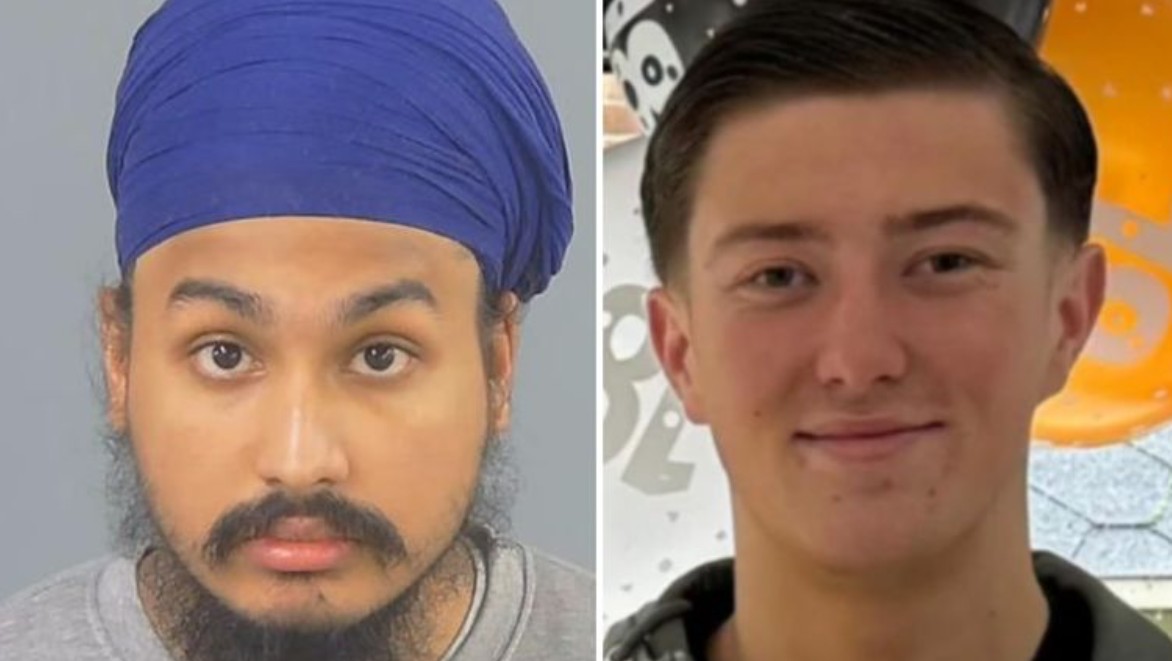
The trial has attracted intense public scrutiny, cutting to the heart of complex intersections between criminal accountability, cultural identity, and religious obligations under UK law. Over several weeks, the court has examined forensic evidence, behavioral histories, and theological frameworks to determine whether the fatal blow was a panicked act of survival or a cold-blooded escalation by an individual habituated to weapons. As the jury prepares to deliberate, the final addresses from both the prosecution and defense teams have laid bare the stark legal and moral divides defining this case.
The Prosecution’s Case and Video
Delivering his closing speech to the jury, prosecutor Nicholas Lobbenberg KC did not mince words when addressing the defendant’s assertions. He explicitly rejected the narrative that Vickrum Digwa had been targeted with racial slurs or physical violence before delivering the fatal blow. Lobbenberg labeled the defense’s account a “wicked lie,” deliberately engineered to exploit societal sensitivities around racism and divert attention from a brutal act of street violence. He urged the jury to strip away the cultural and religious arguments introduced by the defense, stating emphatically: “It is not a case about Sikhism, it is not a case about racism, it’s a case about murder.”
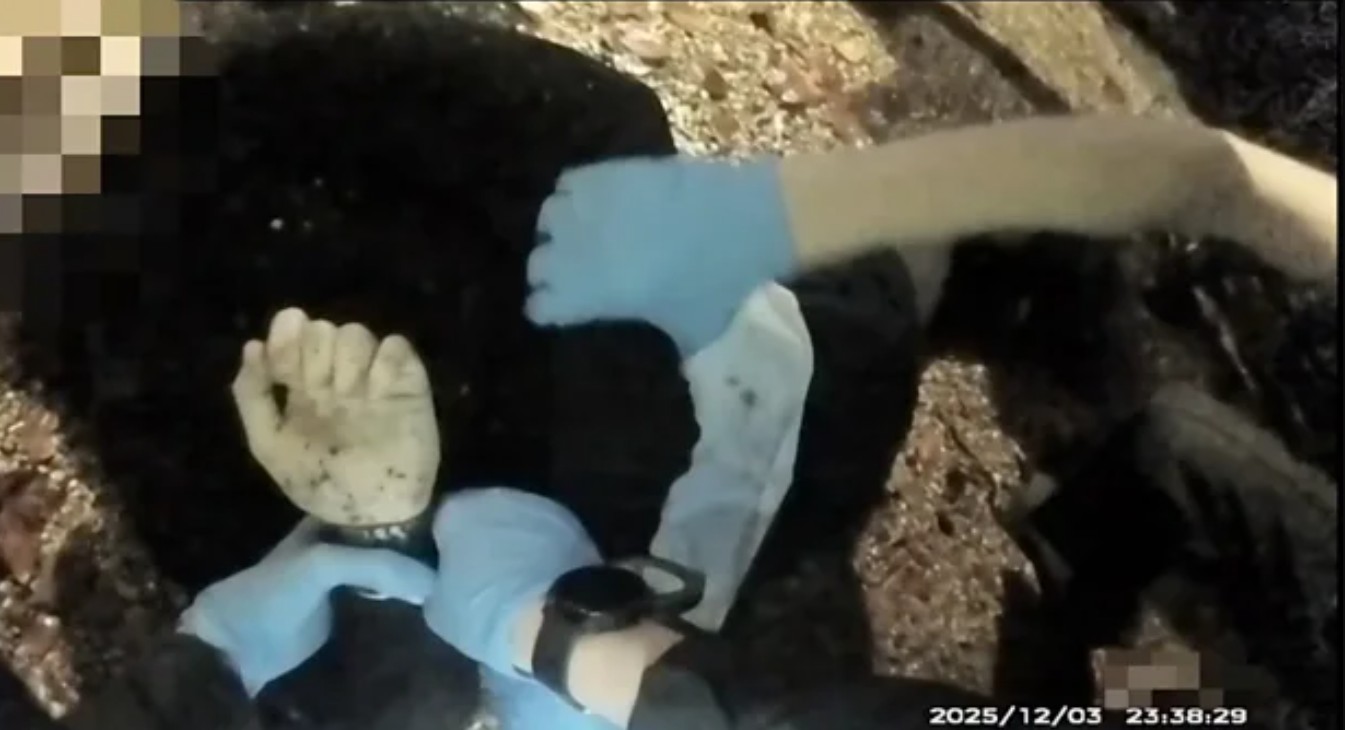
Full video of the incident involving Henry Nowak and Vickrum Digwa
henry-nowak-video.mp4
The prosecution’s argument rests heavily on establishing Digwa as an individual with a long-standing fascination with weapons. According to digital forensics and behavioral evidence presented by the Crown, Digwa had been training with weapons since he was 12 and frequently conducted online searches for various blades and tactical gear. This history, Lobbenberg argued, betrays a mindset predisposed to violence rather than a peaceful adherence to religious strictures. The Crown maintained that Digwa’s choice to carry a highly sharpened, functional knife on the streets of Southampton was a conscious, personal decision rather than an absolute religious requirement, thereby invalidating any claims of peaceful intent.
“This is a man who likes weapons, who trains with them, and who searches for them. He chooses to carry a sharp knife on the streets of Southampton, and we must deeply question the validity of using an ancient religious justification to shield an act of modern street violence.” > — Nicholas Lobbenberg KC, Prosecution Closing Address
Furthermore, the prosecution pointed to the vulnerability and state of the victim on the night in question. Henry Nowak, who was adjusting to his new life as a university student, was walking back to his halls of residence after socialising. Forensic toxicology reports validated that while Nowak had consumed alcohol, his levels were remarkably moderate, falling safely below the UK drink-drive limit. The Crown presented Nowak as an unaggressive young man who was simply trying to find his way home, challenging the defense’s characterization of him as a vicious, xenophobic aggressor who initiated a life-threatening physical brawl.
The Defense’s Counter-Argument: Protection of Sacred Codes
In response, defense counsel Jeremey Wainwright KC mounted a fierce defense of his client, accusing the prosecution of demonstrating a profound lack of understanding if not outright dismissal of the Sikh faith. Wainwright targeted the prosecution’s framing of the knife, identifying it definitively as a kirpan, one of the five mandatory articles of faith worn by initiated or observant Sikhs. He sharply criticized the Crown’s language, arguing that prosecutors had systematically downplayed the profound spiritual weight of the object. “To dismiss that sacred code as ‘religious bits and bobs’ may tell you where the prosecution are coming from,” Wainwright remarked to the jury, emphasizing that the blade was a permanent fixture of Digwa’s identity rather than a weapon chosen for a night out.

Wainwright argued that Digwa carried the blade “in the same way that he does in every day in his life, as part of his religion.” The defense posited that carrying the kirpan lacked any malicious forethought or criminal intent; it was an act of devotional compliance. Turning to the physical confrontation itself, the defense reminded the jury that there were no independent witnesses to the exact moment the altercation began. This lack of direct third-party testimony, Wainwright contended, meant the prosecution could not definitively disprove Digwa’s account of the initial ignition of violence.
According to the defense, the confrontation escalated rapidly when Nowak allegedly initiated a physical assault, hurling racial slurs at Digwa, striking him, and forcibly knocking his turban off his head—an act considered an immense dishonor and desecration in the Sikh faith. The defense maintained that Digwa found himself isolated in the dark, “under attack, in pain and scared.” The fatal stabbing, under this framework, was described not as an act of calculated malice or weapon-obsession, but as an instantaneous, panicked reaction from a young man who genuinely believed his life and dignity were under immediate, violent threat.
The Case Against Kiran Kaur: Assumption vs. Evidence
The legal battles extended beyond Digwa to encompass his mother, Kiran Kaur, who faces a severe charge of assisting an offender. The Crown alleges that following the incident, Kaur took possession of the knife and actively sought to conceal it from investigative authorities to protect her son from prosecution. The prosecution argued that as a mother, her immediate instinct was to hide the instrument of the crime, asserting that she must have known the legal gravity of the situation and the nature of the object she was handling.
Mark Watson KC, representing Kaur, delivered a robust defense that focused on the high threshold of proof required in a criminal court, warning jurors against relying on emotional speculation. Watson painted a picture of a mother who was profoundly distressed, deeply confused, and entirely uninformed about the catastrophic events that had just transpired down the street. He strongly rejected the notion that her handling of the item constituted a deliberate, covert operation to frustrate a police investigation.
To dismantle the prosecution’s claim of a cover-up, Watson highlighted the specific location where the knife was eventually recovered by police. Instead of burying the item, discarding it in a public waste bin, or hiding it in an inaccessible part of the home, Kaur had placed the knife openly among other religious objects in the household’s designated prayer or devotional area. Watson argued that this action was entirely consistent with a traditional, culturally reflexive response to a sacred object in a moment of extreme family crisis. “You don’t put it back where it normally is and is normally accessible if you are trying to hide it,” Watson observed. He concluded by cautioning the jury that the prosecution’s case against Kaur was built entirely on conjecture, stating firmly that “assumption has no place in this courtroom.”
Tragic Aftermath and Systemic Cruxes
As the trial neared its end, the court revisited the somber details surrounding the immediate aftermath of the stabbing on December 3. A point of significant emotional weight during the proceedings was the revelation of the initial police response. When emergency services and police officers first arrived at the chaotic scene, they were operating under highly fractured, rapidly evolving reports of a street fight. Consequently, responding officers initially handcuffed the dying Henry Nowak, treating him as a potential combatant or suspect before realizing the catastrophic nature of his internal injuries.
Although the handcuffs were removed a short time later as soon as the fatal stab wound was discovered, the detail underscored the profound tragedy and confusion defining the incident. Medical efforts at the scene were ultimately unable to save the first-year student, and his passing has left a profound void within the University of Southampton community. The prosecution has repeatedly brought the focus back to this loss, reminding the jury that regardless of the cultural and philosophical arguments raised, an unarmed young man lost his life on a public pavement.
The case forces the jury to grapple with complex legal definitions under English law, specifically regarding the Criminal Justice Act provisions on carrying bladed articles for religious reasons, weighed against the common-law definitions of reasonable force in self-defense. Jurors must determine whether Digwa’s continuous possession of the blade cross-contaminated his right to claim self-defense, or whether the sudden, unprovoked nature of the alleged racial assault justified his reactions. With closing speeches finished, the presiding judge will provide legal directions to the jury before sending them out to deliberate. The trial continues, and the upcoming verdicts will undoubtedly resonate far beyond the walls of Southampton Crown Court.
\ Get the latest news /