The legal fallout from the most significant rap rivalry of the decade has reached a critical turning point. On Friday, Universal Music Group (UMG) filed a blistering response to the ongoing appeal of Drake‘s lawsuit against the music corporation, arguing that the Canadian superstar is attempting to undermine the very foundation of hip-hop because he is being a sore loser over losing his high-profile beef with Kendrick Lamar.
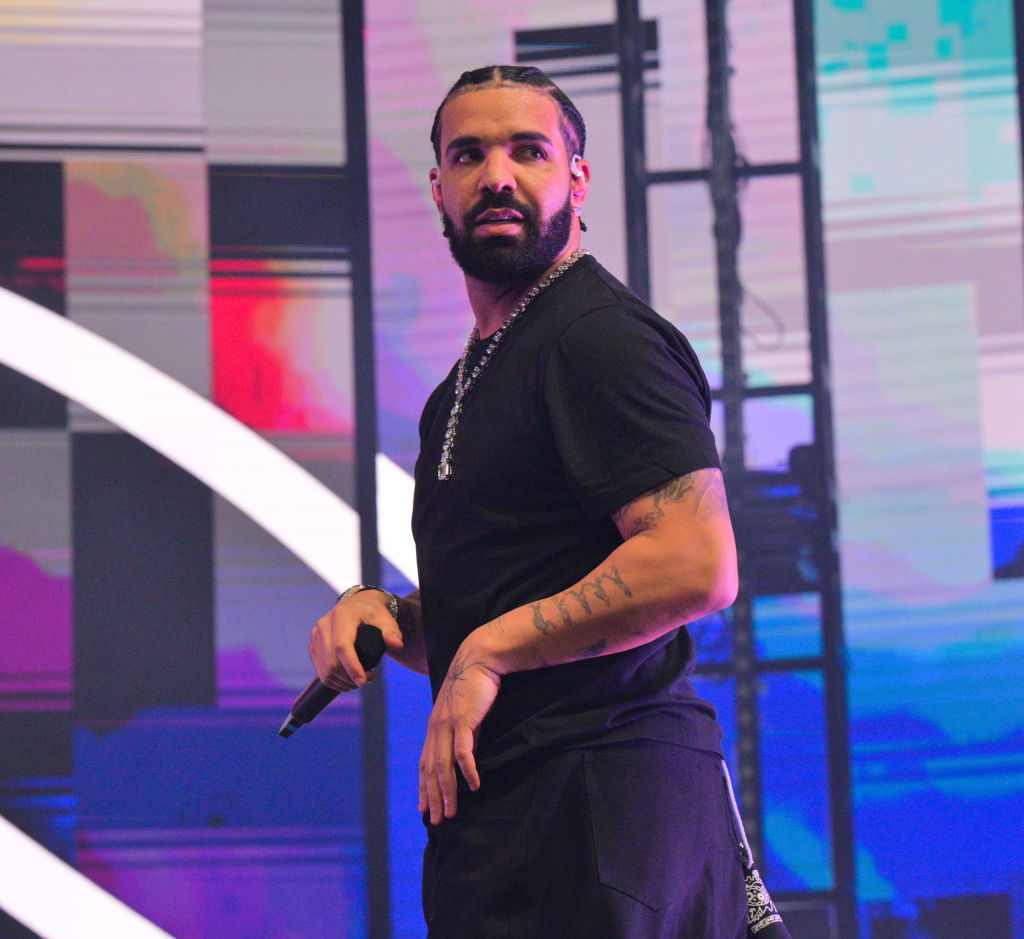
The center of the dispute centers on Lamar’s 2024 global phenomenon, “Not Like Us,” which famously branded Drake a “certified pedophile.” While the song went on to dominate the charts and sweep the Grammy Awards, Drake responded with a defamation suit against his own distributor, UMG, claiming the company promoted the track despite knowing its allegations were false.
As previously reported, in October 2025, federal judge Jeannette Vargas dismissed Drake’s lawsuit, delivering a ruling that has since become a flashpoint for legal debate in the music industry. Judge Vargas categorized the seven-track exchange between the two artists as a “war of words” and concluded that a fans and listeners would not interpret the negative lyrics of a rap battle as verifiable factual claims.
In her ruling, the judge noted that while the accusations were serious, the “broader context of a heated rap battle” inclined listeners to view the lyrics as hyperbolic insults rather than literal indictments. However, Drake and his legal team, led by Michael J. Gottlieb, were not ready to let the matter rest, filing an appeal in January 2026 to revive the case.
Drake’s Lawsuit Appeal Argues ‘Not Like Us’ Warranted Belief He Is A Pedophile
In the appeal, Drake’s attorneys argued that the lower court created an “unprecedented” and “dangerous” precedent. They contend that if the ruling stands, it essentially suggests that statements made within rap songs can never be considered defamatory, regardless of how damaging they are to an individual’s reputation or safety.
“Millions of people understood [‘Not Like Us’] to convey factual information, causing countless individuals around the globe to believe that Drake was a pedophile,” the appeal states.
“It is hard to imagine a statement more damaging to one’s reputation and safety than being labeled a ‘certified pedophile,’ which elicits intense vitriol, and can spur violent retaliation,” his attorney wrote. “The court’s rule brushes aside the risk of concrete reputational harms that can and here did spill over into violence.”
Drake’s team also pointed out a hypocrisy in the legal system: if rap lyrics are regularly used by prosecutors as evidence of factual intent in criminal cases, they should be treated with the same weight in civil defamation cases.
In the new brief filed this week, UMG’s attorneys fired back, claiming that Drake’s lawsuit seeks to “strip words from their context” to satisfy a personal vendetta. According to Complex, label argues that Drake’s view would destroy a “highly creative art form built on exaggeration, insult, and wordplay.”
UMG’s stance is that the rapper is attempting to rewrite the rules of hip-hop because the public narrative didn’t swing in his favor. The company had previously called the suit an “affront to all artists and their creative expression,” maintaining that the artistic license afforded to rappers must be protected from litigious interference.